Care Guide

Care is an essential part of a product’s lifecycle. It is an investment in both quality and longevity.

At Flattered, our vision is to create long-lasting relationships between our products and the people who wear them. By taking extra care of your footwear and leather goods through regular cleaning, protection, and thoughtful maintenance, you help preserve their appearance and function over time.

Here, we share simple tips to help your Flattered pieces last longer, along with a curated selection of care products designed to support and protect your investment, season after season.

Leather Suede Coated Leather Textile Wool Metal

Care Gude

Care is a big part of the product lifecycle. It’s an investment that requires responsibility. At Flattered, our vision is to create long-lasting relationships between our products and their owners. Thus, taking extra care of your Flattered products by cleaning, protecting, and carefully maintaining them is an essential element. Here, we share tips on making your footwear orleather goods last longer and explore our selection of care products that help care for your investment pieces.

Collapsible content

Leather

There are three things to remember when taking care of your leather shoes. Clean. Care. Protect.


Step 1
To begin with, make sure your shoes or bag are dry before using a product brush to remove dirt or dust. If the soil persists, cleanse the leather by wiping the area with a cloth dipped in soap and water.

Step 2
Next, apply a specifically formulated leather cream to restore its beautiful and original appearance. This treatment will give the material a shiny look and soft feel – just like new!

Step 3
Finally, a pair of leather products should always be treated with a waterproofing spray. The weather is not always on our side, so a good base for protection against moisture is essential. Spray, dry, and repeat regularly to enjoy your shoes for years!

Suede

There are three things to remember when taking care of your leather shoes. Clean. Care. Protect.


Step 1
To begin with, make sure your shoes or bag are dry before using a product brush to remove dirt or dust. If the soil persists, cleanse the leather by wiping the area with a cloth dipped in soap and water.

Step 2
Next, apply a specifically formulated leather cream to restore its beautiful and original appearance. This treatment will give the material a shiny look and soft feel – just like new!

Step 3
Finally, a pair of leather products should always be treated with a waterproofing spray. The weather is not always on our side, so a good base for protection against moisture is essential. Spray, dry, and repeat regularly to enjoy your shoes for years!

Coated Leather

There are three things to remember when taking care of your leather shoes. Clean. Care. Protect.


Step 1
To begin with, make sure your shoes or bag are dry before using a product brush to remove dirt or dust. If the soil persists, cleanse the leather by wiping the area with a cloth dipped in soap and water.

Step 2
Next, apply a specifically formulated leather cream to restore its beautiful and original appearance. This treatment will give the material a shiny look and soft feel – just like new!

Step 3
Finally, a pair of leather products should always be treated with a waterproofing spray. The weather is not always on our side, so a good base for protection against moisture is essential. Spray, dry, and repeat regularly to enjoy your shoes for years!

Textile

There are three things to remember when taking care of your leather shoes. Clean. Care. Protect.


Step 1
To begin with, make sure your shoes or bag are dry before using a product brush to remove dirt or dust. If the soil persists, cleanse the leather by wiping the area with a cloth dipped in soap and water.

Step 2
Next, apply a specifically formulated leather cream to restore its beautiful and original appearance. This treatment will give the material a shiny look and soft feel – just like new!

Step 3
Finally, a pair of leather products should always be treated with a waterproofing spray. The weather is not always on our side, so a good base for protection against moisture is essential. Spray, dry, and repeat regularly to enjoy your shoes for years!

Wool

There are three things to remember when taking care of your leather shoes. Clean. Care. Protect.


Step 1
To begin with, make sure your shoes or bag are dry before using a product brush to remove dirt or dust. If the soil persists, cleanse the leather by wiping the area with a cloth dipped in soap and water.

Step 2
Next, apply a specifically formulated leather cream to restore its beautiful and original appearance. This treatment will give the material a shiny look and soft feel – just like new!

Step 3
Finally, a pair of leather products should always be treated with a waterproofing spray. The weather is not always on our side, so a good base for protection against moisture is essential. Spray, dry, and repeat regularly to enjoy your shoes for years!

Metal

There are three things to remember when taking care of your leather shoes. Clean. Care. Protect.


Step 1
To begin with, make sure your shoes or bag are dry before using a product brush to remove dirt or dust. If the soil persists, cleanse the leather by wiping the area with a cloth dipped in soap and water.

Step 2
Next, apply a specifically formulated leather cream to restore its beautiful and original appearance. This treatment will give the material a shiny look and soft feel – just like new!

Step 3
Finally, a pair of leather products should always be treated with a waterproofing spray. The weather is not always on our side, so a good base for protection against moisture is essential. Spray, dry, and repeat regularly to enjoy your shoes for years!

Caring for Your Shoes

Shoes are not just a part of your wardrobe. They are an investment. With a little care, they can reward you with better comfort, better foot health, and a much longer life. Repairing and reusing is something we wholeheartedly believe in at Flattered.


Repair Rather Than Replace
If your heel breaks or your sole wears down, it may be worth visiting a trusted local cobbler before considering a replacement. A good cobbler can replace heels, resole shoes, and fix many common issues for a fraction of the cost of a new pair. Better for your wallet and better for the planet.


Let Your Shoes Rest
Shoes benefit from time to breathe between wears. Where possible, try to avoid wearing the same pair on consecutive days and allow around 24 hours before wearing them again. This gives moisture time to dry out naturally and can help the materials maintain their shape and structure over time.


Maintain the Shape
Cedar shoe trees or cedar blocks are a great way to help your shoes keep their shape after wear. Inserting them after each use allows the shoe to dry evenly and helps preserve the structure over time. If you do not have cedar shoe trees, lightly crumpled newspaper can work well as a temporary alternative.


Dealing with Odour
If your shoes develop an odour from everyday wear, cedar shoe trees can help as cedar naturally absorbs moisture and neutralises odour. Rotating between pairs and changing socks regularly can also make a noticeable difference.

Caring for Your Soles

The sole of your shoe plays a big role in its longevity. Here is what you need to know about the different sole types we use at Flattered and how to care for them.


Thunit Outsoles
Most Flattered shoes are crafted with a Thunit outsole. Thunit is a premium resin rubber that outlasts traditional leather soles and provides reliable grip and durability. No additional treatment or protection is needed before your first wear.

As your sole naturally wears down over time, we recommend visiting a trusted cobbler before it wears through completely. Addressing wear early protects the rest of the shoe from damage and keeps your shoes looking and feeling their best for years to come.


Rubber Outsoles
Some of our styles, including many of our boots, feature a rubber outsole. Rubber provides excellent durability, grip, and resistance to wet conditions. As with Thunit soles, we recommend visiting a cobbler when you notice significant wear to prevent damage spreading to the upper.


Leather Outsoles
A selection of our styles feature a leather outsole, which you can identify by the Flattered logo stamped directly onto the sole. Leather soles have a refined, classic appearance and allow the foot to breathe naturally, however they require a little more care than rubber or Thunit.

We strongly recommend visiting a cobbler before your first wear to have a thin protective rubber sole added on top. This protects the leather from moisture and everyday wear, improves grip, and significantly extends the life of your shoes. It is a small step that makes a meaningful difference.

Putting Your Shoes On and Off
Always loosen laces generously before putting your shoes on or taking them off. Use a shoehorn to protect the heel counter and back of the shoe from losing its shape. Taking this small extra step each time will keep your shoes looking their best for much longer.


Storing Your Shoes
When not in use, store your shoes in the dustbag provided with your Flattered purchase. Make sure they are clean before storing and use cedar shoe trees or cedar blocks to help maintain their shape, absorb moisture, and keep them fresh between wears.

Salty stains?

White marks on leather are often caused by salt from winter roads or rain. It is important to treat them promptly as salt can dry out and damage the leather over time.

We recommend using a leather cleaning product specifically developed for salt stain removal, available from most shoe care specialists. Always follow the product instructions carefully and test on a small hidden area first.


After treating the stain, apply a leather cream to restore moisture and finish with a Leather Protector spray.


For stubborn stains or if you are unsure, we always recommend taking your product to a trusted cobbler or leather care specialist rather than attempting to treat it at home. This is the safest way to protect the quality and appearance of your leather.

New soles?
Our shoes come with a thunit outsole. Thunit is a type of resin rubber that lasts longer than a regular leather sole. There’s no need to replace or add any sole on top of it if you don’t like right after purchase. When your outsole is torn down make sure to leave your shoes to a certified cobbler before it’s too late and other parts of your shoe get torn as well. They are
professionals and will make your shoe as good as new again.

Some of our shoes have leather outsoles. Leather-soled shoes look great and allow the foot to breathe, as they are a natural membrane. The leather has low wear resistance, so the leather sole may be deformed when worn in wet weather. Therefore, we highly recommend you visit the cobbler and put a protective rubber sole on top before first use to avoid tearing the sole and to get a better grip.

Avoid unnecessary wear
When putting our shoes on or off make sure to open laces generously to avoid unnecessary tearing. Also use a shoehorn when putting your shoes on, to avoid that the counter and back part getting badly shaped.

Store well
When not wearing your shoes or using your bag, make sure to cover them in the dustbag you receive when making your purchase at Flattered. Make
sure your shoes are clean and fill them with cedar blocks to avoid wrinkles and bad shape.

Salty stains?
If your shoes are getting white stains it might be salt. It’s not very beautiful and it will harm your shoes. Mix some water with white vinegar or a few drops of lemon juice. Wet a cloth and wipe carefully. Use polish or spray afterward to your shoes some extra love.

Collapsible content

Leather

There are a few things to keep in mind when caring for your leather products. With the right care, leather will maintain its natural beauty and age gracefully over time.
Before using your leather product for the first time, always apply a Leather Protector spray. This helps protect the leather against moisture, dirt, and everyday wear. To maintain protection, we recommend repeating this treatment as often as twice a month.


Step 1. Clean

Before cleaning, make sure your leather product is completely dry. Use a soft brush or cloth to gently remove dirt and dust. For deeper cleaning, use a leather foam cleaner specifically developed for leather products to carefully cleanse the material while preserving its natural finish. Always allow the leather to dry naturally and avoid direct heat or sunlight.

Step 2. Care

To nourish and maintain the leather, apply a leather cream specifically developed for leather products. This helps restore softness, shine, and the material’s natural appearance.

Step 3. Protect

Finish by applying an even layer of Leather Protector spray to help shield the product from moisture and daily wear. Allow the product to dry completely before use.

With regular care and protection, your leather products will remain beautiful for years to come.

Suede

There are a few things to keep in mind when caring for your suede products. With the right care, suede will maintain its soft texture and beautiful finish over time.
Before using your suede product for the first time, always apply Leather Protector.
Spray generously so that the suede is fully covered and protected. This helps shield the material from moisture, dirt, and stains.

To maintain protection, we recommend repeating this treatment regularly, ideally twice a month, depending on use and weather conditions.

Please note that light suede is especially sensitive to colour transfer from darker fabrics and materials.

Step 1. Clean

Use a suede brush or suede stone to gently remove dirt and surface stains. For deeper cleaning, use products specifically developed for suede. Always clean gently to preserve the natural texture of the material.

Step 2. Restore

After cleaning, brush the suede carefully to revive its soft texture and natural finish. If needed, use a suede care spray or conditioner to help maintain the colour and refresh the appearance of the material.

Step 3. Protect

Once the suede is completely dry, apply an even layer of protective spray to help guard against water, dirt, and everyday wear.
We recommend using water-based protection sprays as they are a more eco-friendly choice.

Coated Leather

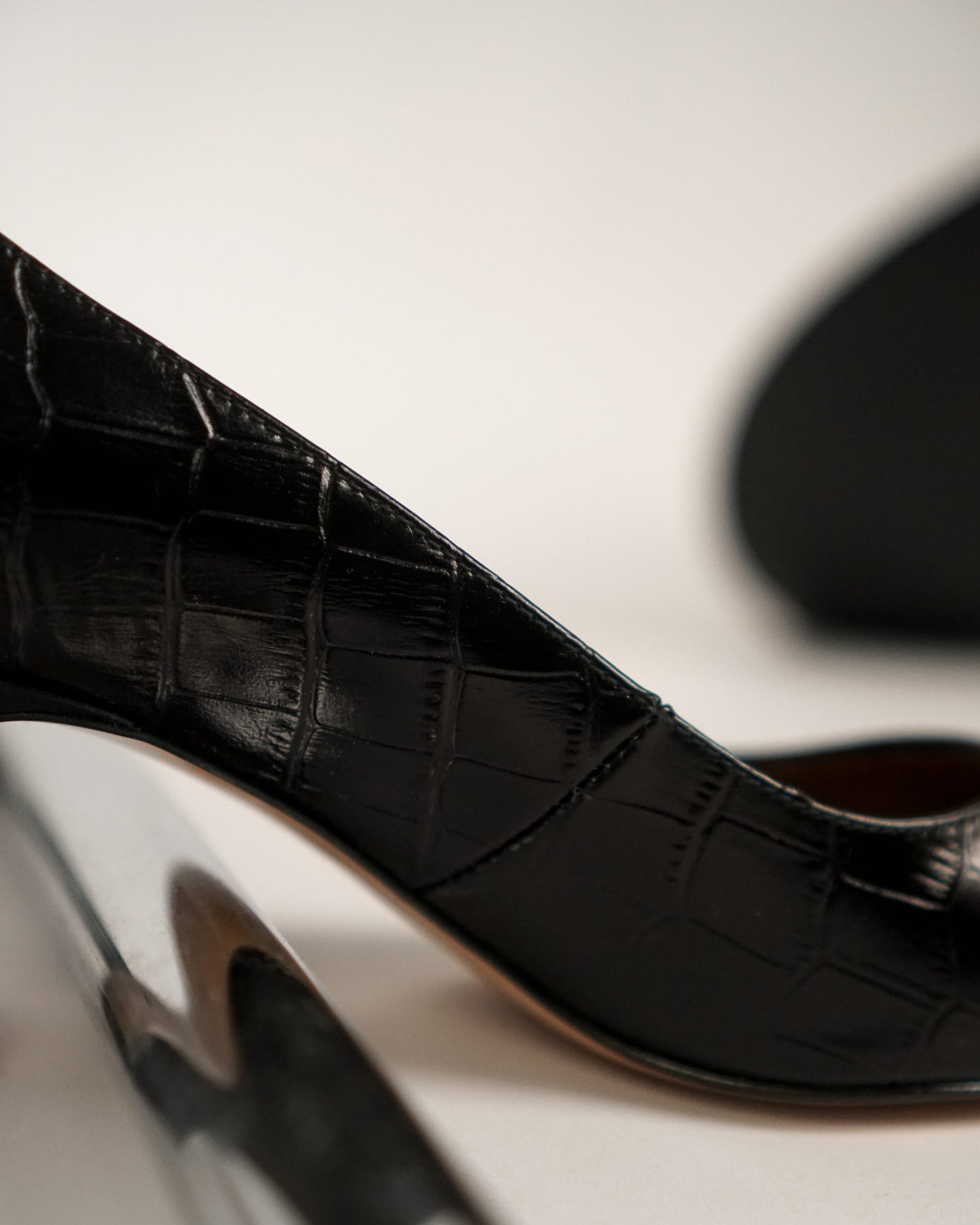
Coated leathers, including reptile-effect and patent leather styles, behave differently from regular smooth leather and require specific care. With the right treatment, the shine and lustre of your product can be maintained and easily restored over time.

Before First Use
Do not apply a Leather Protector spray to patent or coated leather. Waterproofing sprays are not suitable for these materials and can damage the finish. No pre-treatment is needed before first use.

Step 1 — Clean
Wipe the product with a slightly damp cloth to gently remove surface dirt and dust. Avoid soaking the material or using any harsh cleaning products.

Step 2 — Restore the Shine
Apply a thin, even layer of a patent leather lotion specifically formulated for coated leather across the entire product. Allow it to dry for 3 to 5 minutes.

Step 3 — Buff
Once dry, a light white film will appear on the surface. Using a clean, soft cloth, gently buff the product until you restore your desired level of shine and lustre.

Important
Never use waterproofing or Leather Protector sprays on patent or coated leather as these will damage the finish

Never use regular leather cream on patent or coated leather

Avoid prolonged exposure to direct sunlight as this can cause the coating to crack or discolour over time

Storage
Store patent and coated leather products in a cool, dry place away from direct sunlight. Keep them in a dust bag to protect the finish and avoid storing them in direct contact with other leather products as the coating can stick or transfer.

Textile

Step 1
Brush your product gently and, if needed, use a shampoo designed to give textile shoes a more in-depth cleanse. We do not recommend running our textile-based shoes in the washing machine. They may not last for too long then, unfortunately! Instead, please treat them with a thin layer of waterproofing spray and allow them to dry.

Step 2
Spray them regularly for extra protection, and you will keep your comfy companions for a long, long time!

Wool

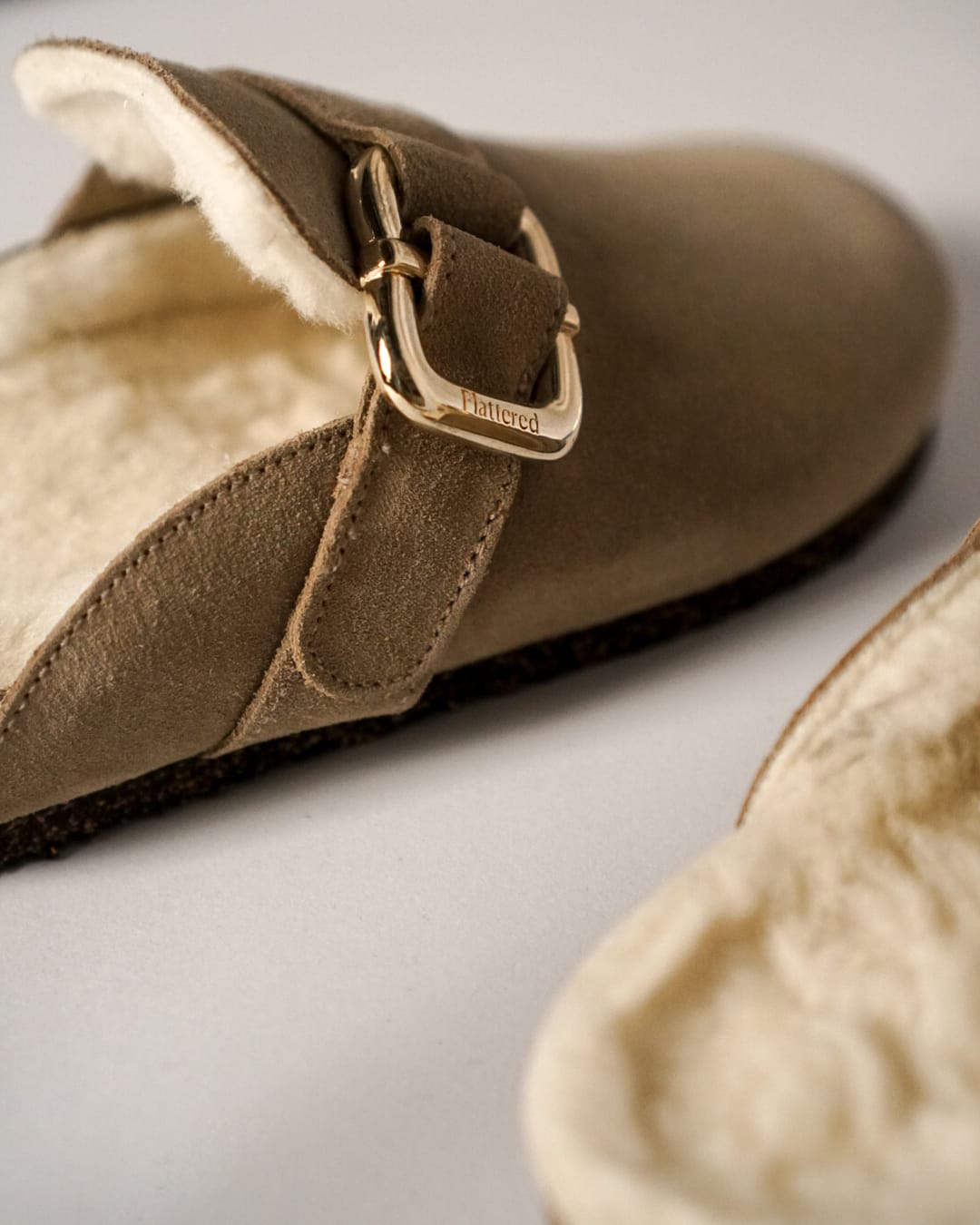
Keep in mind that wool is a material that does not naturally emit an odour upon skin contact and therefore needs not be washed too often. Instead, allow your shoes to aerate in the open every so often to keep them in their original, enjoyable condition.

Step 1
If you still feel like you need to wash the wool, we recommend using a specially formulated wool detergent to make your shoes feel softer and more comfortable on foot. Carefully massage the detergent into the material and remove it with a wet cloth.

Step 2
Let it dry naturally. Remember, do not rub too hard. Cold water is always better. Avoid other parts of the shoe that may be made of a different material.

Metal

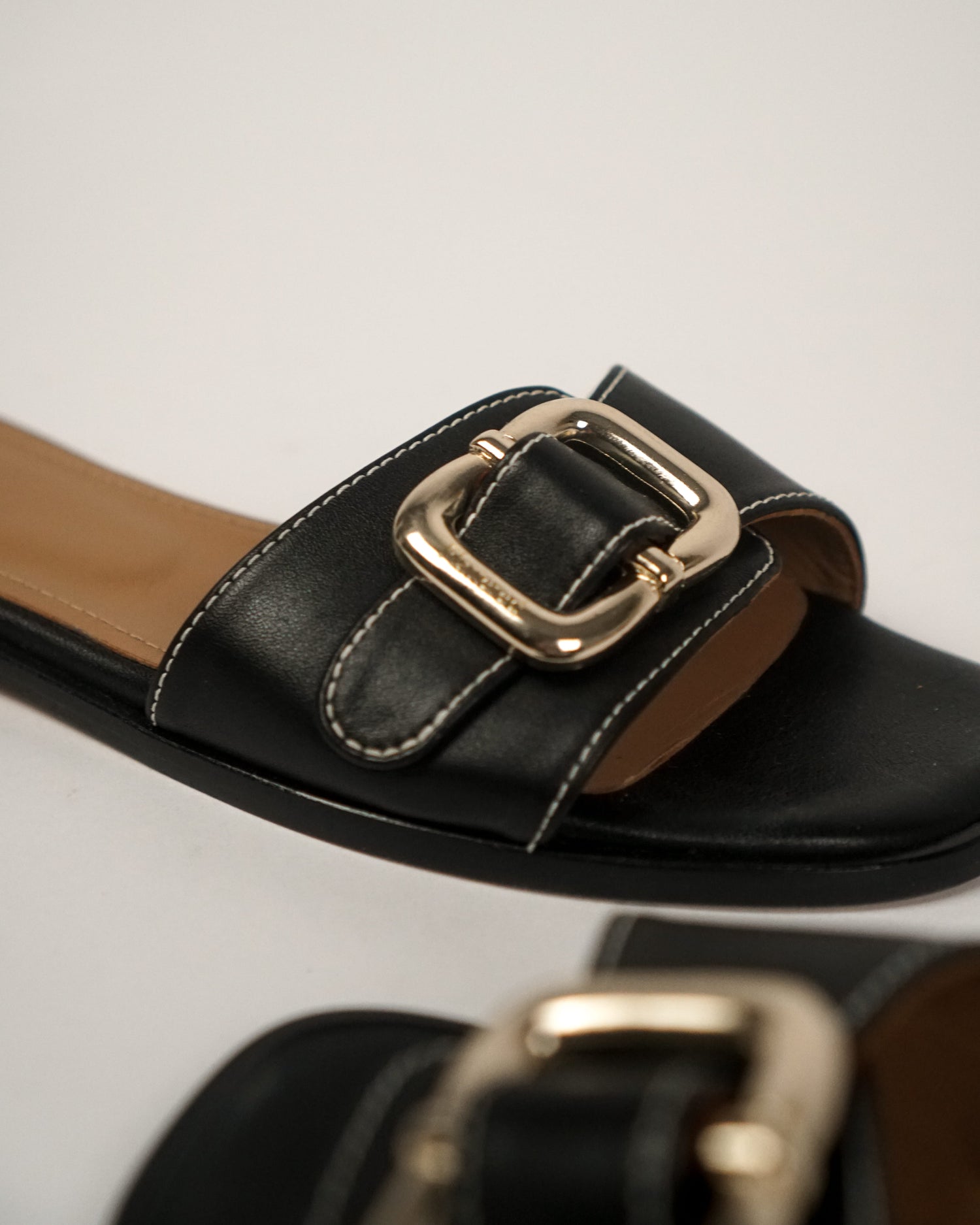
Many of our products are made with metal details. The metal we use is called Zamak, finished with an eco-bath and free from nickel. However, due to natural aging, accessories made from this alloy may lose their luster or darken when exposed to air or light. For a quick fix, mix white vinegar with water or soap with a neutral pH level. Then dip a sponge in the mixture and clean the pieces gently.

Placing your product in a dust bag when not using it will keep it safe from humidity, which can cause rust. Remember that a few blemishes here and there will give your shoe character! We want you to use and love your product and believe in accepting that time always makes its mark.